Real-Time Guardrails, No-Code Speed

Today we’re diving into Real-Time Risk and Drawdown Alerts for Portfolios Powered by No-Code Automations, showing how you can spot trouble as it forms, notify the right people instantly, and act decisively. From intraday spikes to creeping losses, you’ll build dependable guardrails without engineering sprints. Expect practical patterns, lived experiences, and field-tested workflows you can adapt quickly across asset classes, sizes, and tools you already use.

Why Speed Changes Outcomes

Markets rarely announce danger politely, so seeing risk build in real time changes decisions from reactive to preemptive. Timely drawdown alerts buy precious minutes to trim exposure, hedge, or simply pause. With no-code automations, you encode judgment once and let it watch continuously, avoiding fatigue, missed screens, and fragmented handoffs across busy desks.

Minutes Versus Moments

When volatility snaps higher, even a five‑minute delay can erase hard-won discipline. Moment-level detection spots cascading losses while they are still containable, turning potential spirals into manageable nudges. Teams that moved from batch checks to streaming alerts report clearer accountability, faster coordination, and fewer late-night autopsies explaining why nobody noticed until too late.

From Noise to Signal

Constant pings create fatigue, so effective systems combine thresholds, cool-off windows, and grouping to reduce chatter without blinding you. By correlating moves across holdings, surfacing deltas that actually threaten objectives, and summarizing context succinctly, alerts become trusted guidance rather than nagging interruptions that traders learn to mute, ignore, or route into forgotten folders.


Building Without Code

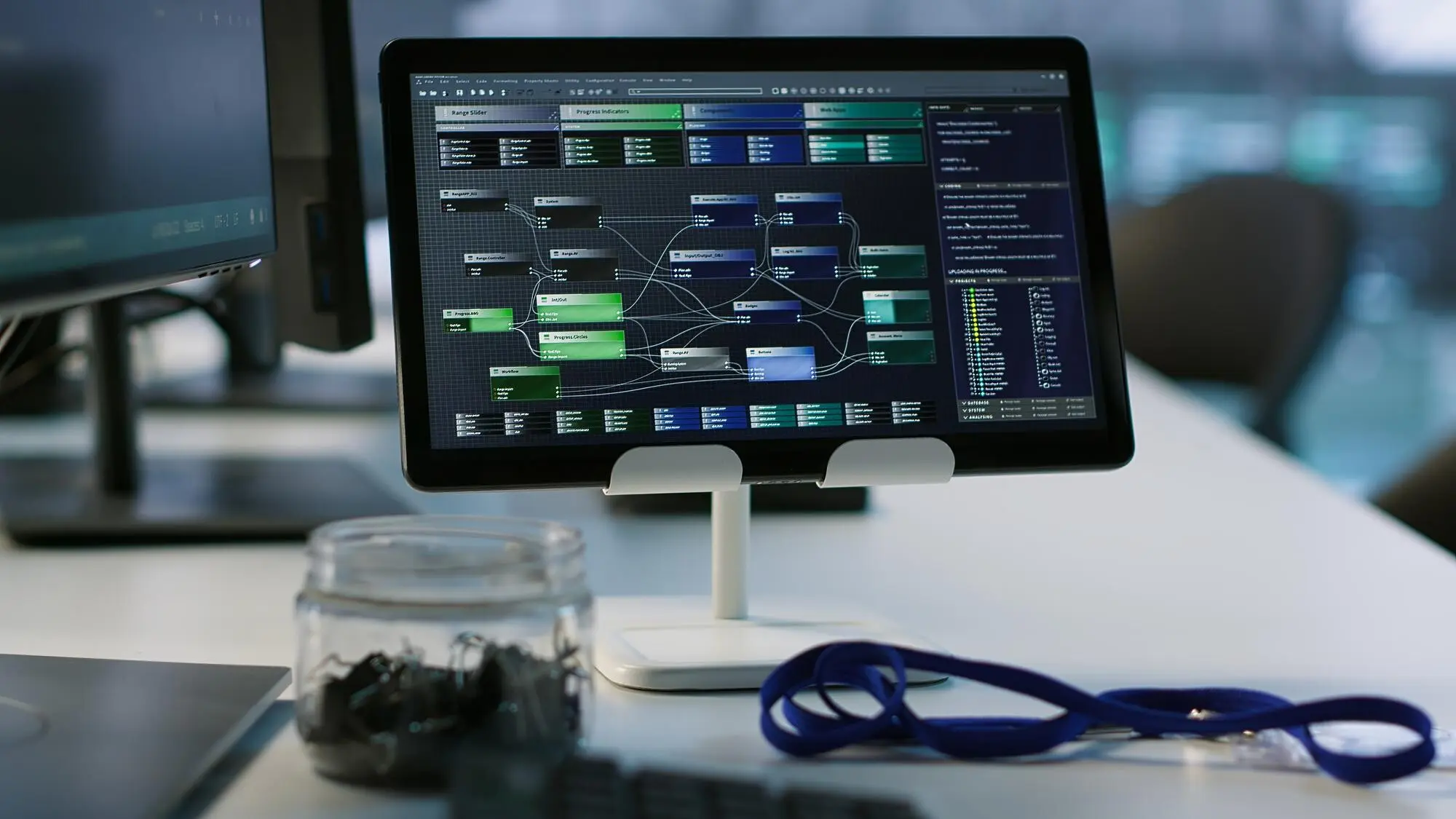
You do not need a development squad to monitor complex exposures. No-code automations let you define triggers, conditions, and actions through readable blocks, connect data sources securely, and ship improvements in minutes. Operations keeps ownership, desks iterate safely, and engineering focuses on higher leverage work instead of wiring another brittle notification script.

Picking Sensible Baselines

Define baselines that match how you report results: fund-level, strategy sleeves, or client mandates. Use lookbacks long enough to smooth intraday noise yet short enough to respect fresh highs. When new capital arrives or redemptions occur, reset rules deliberately to avoid accidental alarms that confuse rather than protect decision makers.

Dynamic Thresholds Beat Static Lines

Volatility‑adjusted thresholds breathe with the market. Tie limits to ATR, EWMA volatility, or realized variance so alerts fire when stress is unusual relative to current conditions, not merely large in absolute terms. This cuts weekend-gap surprises and concentrates attention on genuinely abnormal behavior worth investigating before losses cascade further.

Testing Before Trusting

Confidence grows when alerts prove themselves against history and controlled experiments. Replaying chaotic sessions, verifying data integrity, and measuring time‑to‑notify surface weak links before capital is at risk. No-code environments make this fast, so you refine assumptions repeatedly until the system behaves predictably during calm trends and violent reversals alike.

Integration That Meets You Where You Work

The best safeguards fit your stack instead of demanding a rebuild. Plug into brokers, custodians, and market data feeds, enrich with analytics, and route to collaboration hubs already open on every screen. By harmonizing identity, permissions, and audit, you avoid swivel-chair workflows and keep response time consistently, measurably short.

Stories From the Front Lines

Real impact shows up in calmer days and smaller scars. A mid-sized allocator told us their first week with real-time drawdown alerts surfaced a creeping cross-asset bleed they had missed. They trimmed two positions, added a hedge, and finished the month inside mandate, with investors praising composure instead of luck.
Zorinexomexosirasentovanilivo
Privacy Overview

This website uses cookies so that we can provide you with the best user experience possible. Cookie information is stored in your browser and performs functions such as recognising you when you return to our website and helping our team to understand which sections of the website you find most interesting and useful.